
Dr Paul Koudounaris is a bit of a hero of mine. He’s one of those rare kinds of people that once you read about, you never forget. A PhD in Art History led him to photographing the charnel houses and decorated skeletons of Europe, publishing collections of his photos alongside the information he had painstakingly gathered on each location, body or subject. His instagram is always the account I will first recommend to anyone- yes he posts a lot of fascinating images and stories of the corpses he’s shot around the world, but he also dresses up his cat, Baba Ganoush (who is getting her own book soon!) and photographs an assortment of wonderfully dressed humans at LA events.
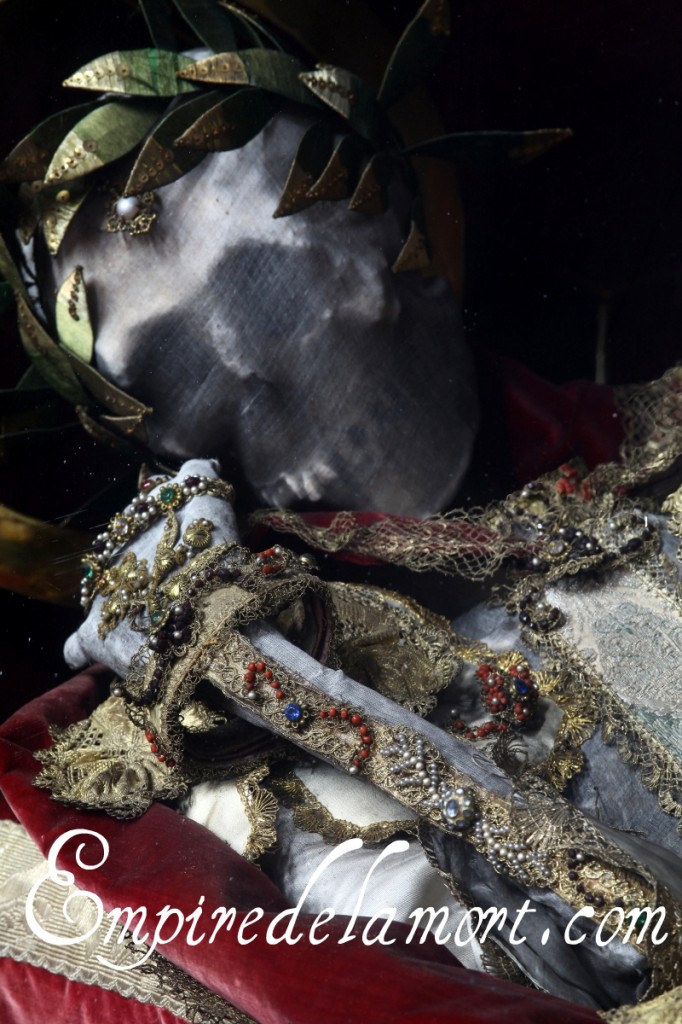
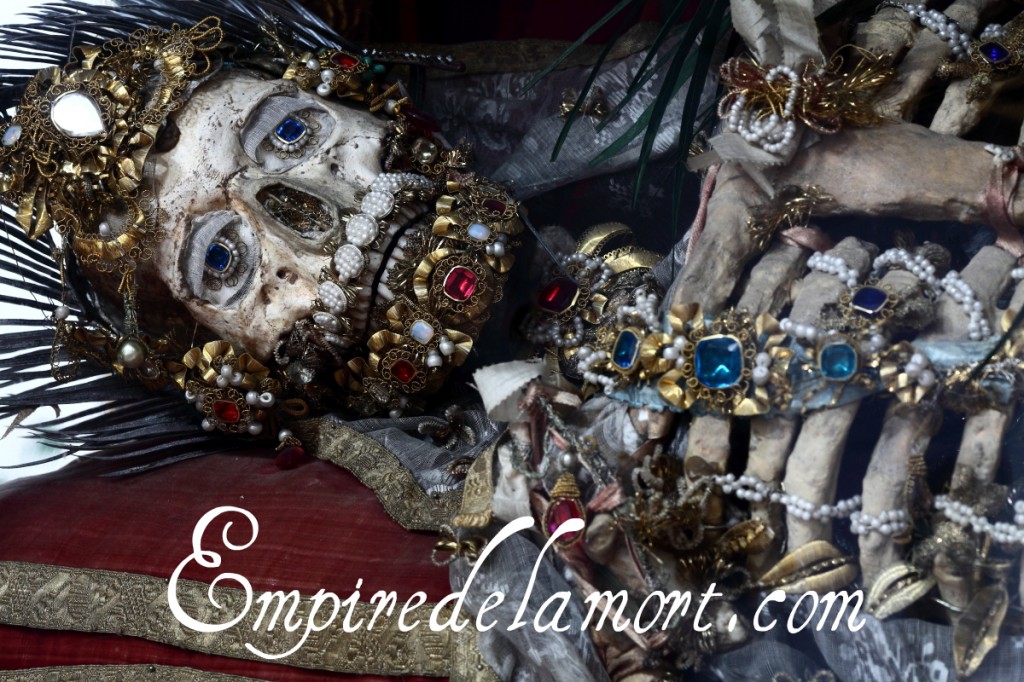
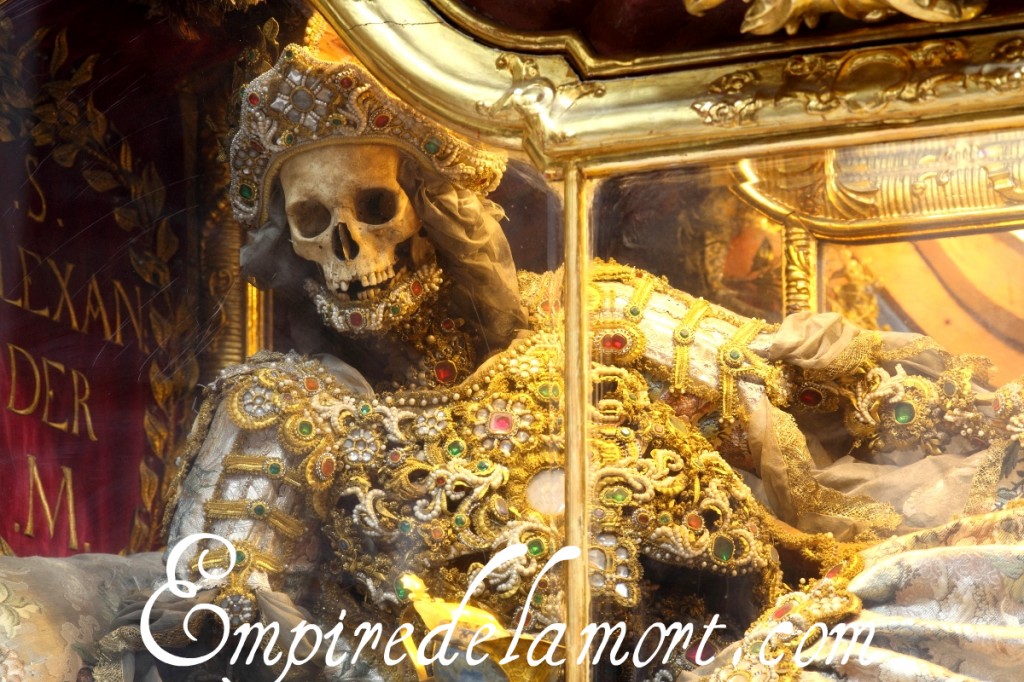
Basically, he’s lived my dream: travelling the world to learn about, document and share the sites and stories of bodies that captured his attention. From the skeletons of supposed saints bejewelled by nuns to the Nazcan mummies cared for by ancient monasteries, Dr Paul has experienced just about the full spectrum of tradition, ritual and ceremony when it comes to death.
I was lucky enough to have the opportunity for him to answer some of the questions that I and fellow Deathlings had for him recently, and I’d like to thank him greatly for doing so.
How do you decide on the next place to travel and photograph? Do you search for these places based on their relationships with death, or do you travel and then seek out whatever might be around where you are?
I’m not really doing the death photography anymore, so I can only answer for the past. But sure, generally I would research first and find specific relevant sites. The chance of coming up with stuff relevant to your research if you’re just wandering is pretty slim–although it can and does happen. I can definitely happen that you find a specific place through research, but then once there you start to find more similar sites nearby that are otherwise not known to outsiders.
How did you transition from art history to studying and photographing the dead? Did you find yourself just writing about your travels and interests as you went, or did you intentionally set out to do that?
Neither. I didn’t want to photograph the books at first. I was concerned that approaching the sites as a photographer would interfere with my ability to approach them as a historian. So my initial preference was to find someone else to photograph them. But it wasn’t practical. It was an extra expense, plus I was working on a travel schedule that would have been very difficult for most people. In addition, I couldn’t find anyone who was any more qualified than I was to photograph these sites, so in the end there was no choice but to consolidate everything and do the photography myself.
What do you think needs to change about Western culture’s current attitude towards death?
To be honest, nothing. That doesn’t mean I think Western culture’s current attitude is in a good place. But societal attitudes exist because they best fit the needs of that society. We have this stunted, paranoid fear of death because that’s what Western culture demands. It’s what works best within our socioeconomic system. You can’t just swap out attitudes though. They will change when people are overall ready for the change. It’s easy to say, “well, it should be more this-and-that,” but the truth is we’re not ready for that change yet overall.
What do you think of “dark tourism”, is it always entirely positive or negative? Can it be both?
I find that term completely annoying. There’s nothing “dark” about any of these sites except the ignorance with which people approach them. Calling them “dark” creates a prejudice that by their nature they are sinister in some way.
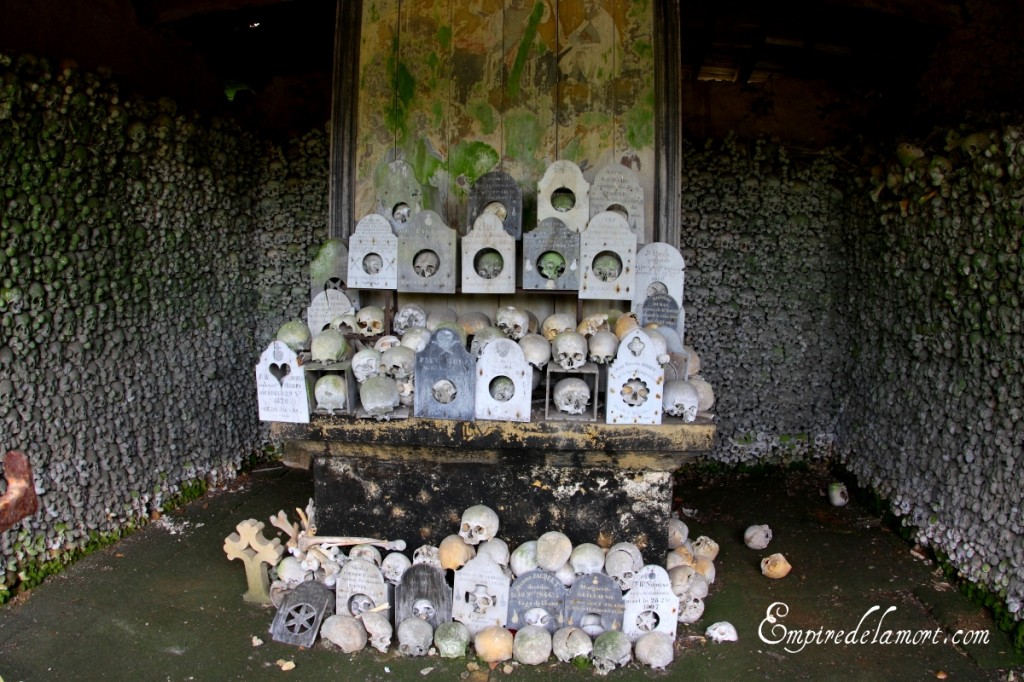
Is it difficult to receive permission to visit or photograph some of the places and things that you do, or are monasteries, churches and communities generally understanding as long as they are told what you do and why you are doing it?
It can be. It’s very dependent though, situation by situation. Basically, people in religious communities are generally happy to assist you when they can–but you also must realize that their main allegiance is their service to the sacred, not the secular. So if you’re working in such environments you need to have a tremendous amount of respect and patience. I am always amused when I get messages from television producers asking me to help them get access to places. Of course they think the world revolves around their TV show, and they can’t get anywhere with these monks or priests. Sorry guys, they care about God, not your silly show, and that’s the way it is–a TV production schedule means nothing to them, nor should it. But I’ve found that if you’re respectful and patient enough (and in particular if you have done real research to show that your interest is sincere) you will pretty much always get what you want in such places. There are exceptions though. There are some places that have said no (never in a rude way though–I can think of one monastery where the abbot was convinced that that God did not want anyone taking photos on the property, it’s usually something like that) or have some other reason for not wanting to be part of such projects (there are other places that allowed me to take photos for my own personal use, but asked me to please not publish them because they don’t want tourists to come). Of course, I have to respect that, and I always do.
Do you have favourite bodies you’ve photographed? Do you have favourite death-related locations you’ve visited? Do you have favourite death rituals/traditions that particularly touched you? Would you mind sharing any of these?
Honestly, I don’t really have favorites. I get asked questions of that nature a lot, but over time I have been less inclined to answer. Simply put, they are all special in one way or another. The most grand to the most humble, all of them equally served the spiritual needs of a community. I try to esteem them all equally.
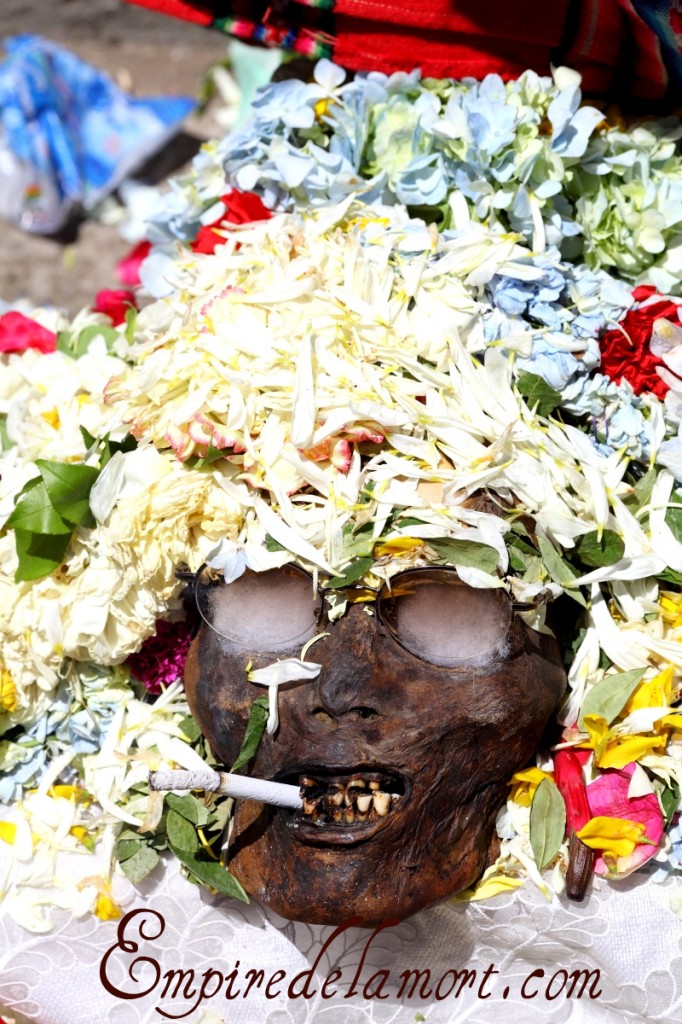
What do you consider to be your most used photographic equipment? What can’t you live without taking with you when you travel?
Actually there isn’t a particular piece of equipment that is essential. It depends on the needs of the project and the site. My first book, it was primarily wide angle lenses, and often even a fisheye. My second book was the exact opposite–in fact, the most used piece of equipment was a rare old lens I had to track down a copy of specifically for adequately photographing that project, a 400mm macro lens. So considering how variable it can all be from place to place and project to project I would say the most essential piece of gear is . . . probably a backpack big and strong enough to hold it all.
Do you have any useful advice for others wanting to follow in your footsteps of photographing, researching and writing about the dead and cultural death traditions?
Yes–unless you are so hell bent on it that you can’t live without doing this stuff, don’t. It’s a lot of difficult work and it’s definitely not an easy way to make a living.
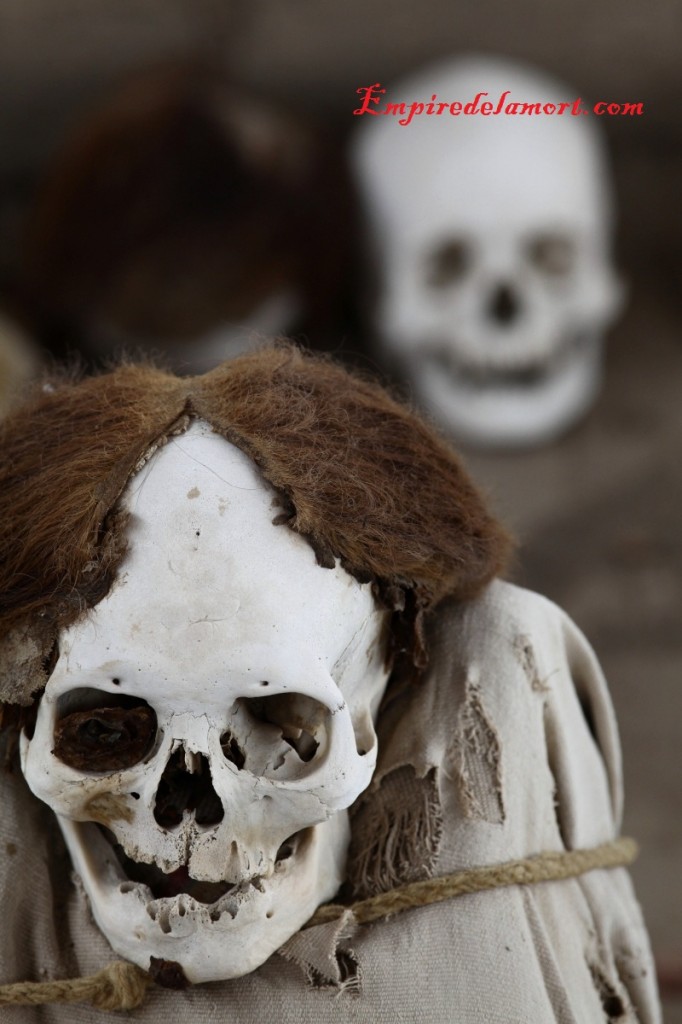
You can find links to follow Dr Paul Koudounaris’ work here: Website • Instagram
All images used in this post are from Dr Paul Koudounaris’ website, please take a look!
 Death Imitates Art
Leave a comment